All published articles of this journal are available on ScienceDirect.

Biological Hazards in Agricultural Work: A Scoping Review of Occupational and Environmental Health Challenges

Abstract
Introduction/Objective
Agricultural workers in Malaysia are consistently exposed to biological hazards originating from soil, water sources, livestock, and vector populations. Environmental conditions, such as tropical climate, monsoon-related flooding, and deforestation, further exacerbate the risk of zoonotic and vector-borne diseases. Despite these risks, biological hazards remain less extensively studied compared to physical and chemical exposures. This scoping review aimed to synthesize the current evidence on biological hazards affecting Malaysian agricultural workers, with an emphasis on occupational and environmental determinants, surveillance gaps, and preventive challenges.
Methods
A scoping review was conducted following Arksey and O’Malley’s methodological framework and the PRISMA-ScR guidelines. Peer-reviewed studies published between 2016 and September 2025 were retrieved from major databases. The eligible studies included biological hazards associated with paddy farming, plantation work, livestock production, and aquaculture. Data were charted according to hazard type, agricultural setting, study methodology, and the identified determinants.
Results
A total of 47 studies met the inclusion criteria. The findings identified a diverse range of pathogens linked to occupational exposure, with Leptospira spp. being the most frequently reported, followed by Plasmodium knowlesi, Burkholderia pseudomallei, and various tick-borne agents. Environmental determinants, including contaminated soil and water, inadequate sanitation, climate variability, and high vector density, were consistently associated with increased disease occurrence. However, surveillance systems remain fragmented, with limited longitudinal monitoring and inconsistent reporting of biological hazards.
Discussion
This review highlights substantial knowledge gaps in understanding emerging biological hazards, climate–disease interactions, and the effectiveness of existing preventive strategies. Weak integration of occupational health, environmental monitoring, and vector surveillance limits timely detection and response. These gaps reduce the accuracy of disease burden estimates and hinder the development of targeted risk-reduction measures.
Conclusion
Biological hazards in Malaysian agriculture constitute a critical yet under-monitored occupational health threat, influenced by environmental and climatic dynamics. Strengthening One Health-based surveillance systems, updating national policies, and integrating environmental microbiology into occupational health programs are essential to address these gaps. Enhanced monitoring, adaptive prevention strategies, and cross-sector collaboration are necessary to safeguard worker safety and ecosystem health in changing climates.
1. INTRODUCTION
Biological hazards in agriculture are denoted as occupational hazards that pose significant occupational and environmental health risks to agricultural workers. These hazards are categorized into two groups: allergenic and/or toxic agents that form bioaerosols and agents that cause zoonoses and other infectious diseases (Dutkiewicz et al., 2000). In general, bioaerosols are biological particles of organic dust and/or droplets suspended in the air, which could be heavily polluted with viruses, bacteria, endotoxins, fungi, β-glucans, secondary metabolites of fungi, plant particles, fecal particles, and the bodies of mites and insects, particles of feathers, feces, hair, and urine of birds and mammals. These particles often cause occupational diseases of the respiratory tract, conjunctiva, and skin (Dutkiewicz et al., 2000; Nimmermark et al., 2009). Agents causing zoonoses and other infectious diseases are mainly spread by tick or insect vectors via the alimentary or airborne routes or immediate contact with the skin (Buczek et al., 2009).
Vectors, such as mosquitoes, are living hosts that transmit disease-causing pathogens between humans and animals via biting activity (Centers for Disease Control and Prevention (CDC), 2018). A previous study by Gupta and Joshi highlighted the suitability of water-rice fields for the growth of bacteria, viruses, fungi, mosquitoes, and parasites, leading to diseases such as malaria, hookworm, and skin diseases (Gupta and Joshi, 2002). This ecological vulnerability is increasingly recognized as part of the One Health interface, where agricultural practices, wildlife, domestic animals, and environmental conditions intersect to influence pathogen spillover dynamics. Recent studies on Southeast Asian rice systems have demonstrated how mixed-use rice farms host mosquitoes, rodents, bats, domestic animals, and aquaculture species that collectively create a high-risk environment for zoonotic transmission (Sievers et al., 2024).
Environmental factors, including soil moisture, water quality, monsoonal flooding, land-use change, and vector abundance, further amplify biological hazard risks. Recent studies have demonstrated that climate variability, agricultural intensification, rapid land conversion, and mechanization accelerate pathogen emergence, especially in rice-dominant regions, by altering vector ecology and increasing wildlife–livestock–human contact (Sievers et al., 2024; Zhang et al., 2024).
In Malaysia, the Department of Occupational Safety and Health (DOSH) published guidelines in 2002 to address occupational safety in agriculture, including biological hazards such as zoonotic and vector-borne diseases (Department of Occupational Safety and Health, 2002). However, these documents lack updated data, and there appears to be limited implementation or follow-up in recent publications. Recent Malaysian reviews similarly emphasize persistent gaps in surveillance for pathogens such as Leptospira spp., Burkholderia pseudomallei, and Plasmodium knowlesi, noting that climatic events, flooding, and wildlife–livestock–human interactions continue to drive disease risk (Klim et al., 2023; Lea et al., 2025). Consistent with these findings, Malaysian occupational health data show that biological diseases, emerging infections, and environmentally linked illnesses remain underreported within the agricultural sector, reflecting a broader systemic underdiagnosis (Awaluddin et al., 2023).
Despite increasing awareness of biological hazards in agriculture, no existing synthesis integrates the full spectrum of biological hazards affecting Malaysian agricultural workers through a combined occupational and environmental lens. Existing studies tend to focus on individual pathogens, isolated agricultural sectors, or narrow exposure pathways. This fragmented evidence makes it difficult to understand the full spectrum of risks faced by agricultural workers in the country. Recent One Health literature strongly recommends integrated cross-sectoral surveillance to identify pathogen hotspots and predict spillover risks, particularly in rice-based and livestock-intensive systems (Mariappan et al., 2022).
Emerging scholarship also highlights how climate change, agricultural modernization, mechanization, and environmental regulation alter pathogen ecology and exposure pathways (Ma et al., 2025; Turner et al., 2025). For example, recent evidence shows that environmental regulatory pressure can reshape agricultural practices, influencing pollutant emissions and ecological risk profiles (Wen et al., 2025). Concurrently, agricultural mechanization has been shown to reshape land-use patterns, biodiversity, and ecological–economic interfaces, indirectly affecting pathogen habitats and human exposure (Ma et al., 2025). Although focused on China, broader ecological–economic analyses in China reveal how environmental degradation, economic pressures, and land transformation co-evolve, providing important theoretical parallels to Malaysia’s agricultural context (Wang et al., 2025).
To address these gaps, this scoping review employed a theoretical framework (Fig. 1) that conceptualizes how biological hazards affect Malaysian agricultural workers. The framework illustrates that occupational, environmental, and climate/ecological factors interact to create exposure pathways that result in biological hazards and occupational diseases. Effective prevention requires coordinated prevention and control measures and environmental management strategies targeting multiple levels. To our knowledge, this is the first scoping review to holistically assess the biological hazards affecting Malaysian agricultural workers through an integrated framework perspective. By synthesizing the current literature (2016-2025) and identifying knowledge gaps, this review provides a foundation for future research and policy development to enhance the occupational safety and health of agricultural workers in Malaysia.
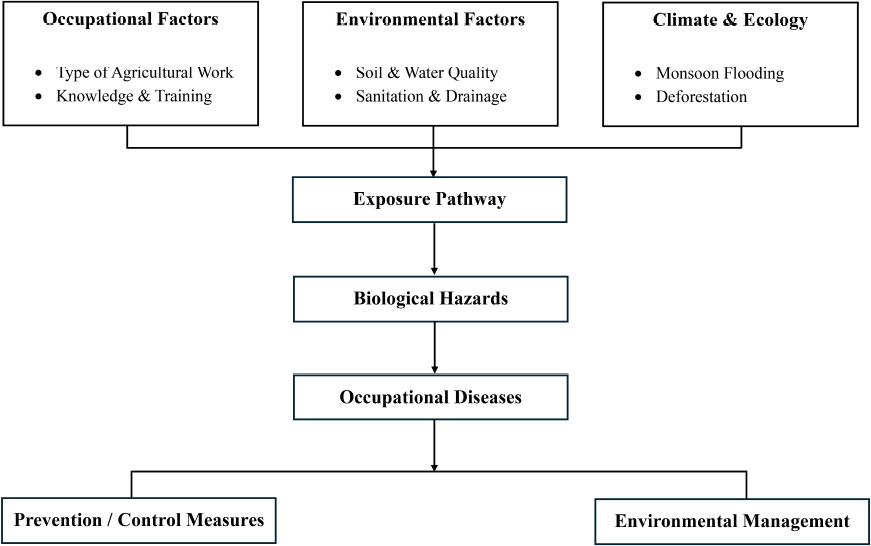
Theoretical Framework of Biological Hazards in Malaysian Agricultural Work. This framework illustrates how occupational, environmental, climatic, and ecological determinants contribute to exposure pathways that lead to biological hazards and occupational diseases among agricultural workers. It also highlights the dual role of prevention/control measures and environmental management within a One Health context.
2. METHODOLOGY
This scoping review was conducted based on the guidance of Arksey and O’Malley’s methodology framework (Arksey and O'Malley, 2005) and Levac et al. ’s methodology enhancement (Levac, Colquhoun, and O'Brien, 2010). Six steps were performed to conduct this review: (1) identifying the research question, (2) identifying relevant studies, (3) selecting studies, (4) charting the data, and (5) collating, summarizing, and reporting the findings. This review follows the Preferred Reporting Items for Systematic Reviews and Meta-Analyses extension for Scoping Reviews (PRISMA-ScR) guidelines and the framework of Arksey and O’Malley (Arksey and O'Malley, 2005), enhanced by Levac et al. ’s study (Levac, Colquhoun, and O'Brien, 2010).
2.1. Research Questions
To explore the range of biological hazards encountered by Malaysian agricultural workers and support evidence-based occupational health improvements, the following research questions were developed to guide this review.
(a) What types of biological hazards affect agricultural workers in Malaysia?
(b) Which agricultural sector is involved?
(c) What are the contributing occupational and environmental factors?
(d) What preventive or control strategies have been reported?
2.2. Search Strategy
A preliminary search was performed to identify relevant keywords and index terms related to biological hazards and occupational health in an agricultural setting. A final set of keywords and phrases was identified, including “biological hazards,” “agricultural workers,” “paddy farming,” “livestock,” “vector-borne disease,” “zoonotic disease,” “occupational exposure,” “infectious disease,” and “Malaysia”. Boolean operators (AND, OR) were used to construct a comprehensive search string that was tailored to each database. Searches were conducted across multiple databases to ensure comprehensive coverage of the relevant literature. The databases included PubMed, Web of Science, Scopus, ScienceDirect, Wiley Online Library, Taylor & Francis Online, and Google Scholar (first 100 results screened). Additionally, a manual search was conducted on the official website of the Department of Occupational Safety and Health (DOSH), Malaysia, to identify relevant reports and grey literature. The reference lists of the included articles were also reviewed to identify any additional eligible sources. The final literature search was conducted in September 2025; consequently, publications from 2025 encompassed only a partial year of available data. All search results were managed using the Mendeley Reference Manager, and duplicate records were removed prior to the screening process.
2.3. Study Selection
Studies included in this review met the following criteria: (1) conducted among individuals working in agricultural sectors in Malaysia, including paddy farmers, plantation workers, livestock handlers, and aquaculture workers; (2) focused on occupational exposure to biological hazards such as zoonotic diseases, infectious agents, or bioaerosols; (3) conducted in agricultural or farm-based settings within Malaysia; (4) based on quantitative, qualitative, or mixed-method study designs, including cross-sectional, case–control, cohort, interview-based, or laboratory studies; and (5) published in English between January 2016 and September 2025.
The period from 2016 to 2025 was chosen to encompass the latest decade of research, reflecting advancements in national surveillance systems, diagnostic techniques, agricultural practices, and environmental challenges in Malaysia. Although excluding studies prior to 2016 might limit the examination of long-term historical trends, the selected period ensured methodological consistency and offered evidence most pertinent to current occupational and environmental health policy requirements in Malaysia.
Studies were excluded if they (1) involved populations not engaged in agricultural work, (2) focused solely on chemical or physical hazards without reference to biological risks, or (3) were review articles, reports, editorials, or conference abstracts.
Following the removal of duplicate records, all articles and abstracts were screened against the predefined eligibility criteria. Several measures were implemented to minimize potential selection or interpretation bias associated with the single-reviewer process. First, the inclusion and exclusion criteria were defined a priori based on the Population, Concept, and Context (PCC) framework (Chan et al., 2024) and the PRISMA-ScR guidelines. A pilot screening of a small subset of studies was conducted at the beginning of the process to ensure the consistent interpretation of the criteria. All screening decisions, including reasons for exclusion at the title/abstract and full-text stages, were systematically documented. In cases where the abstract lacked sufficient information to determine eligibility, the full text was retrieved to avoid the premature exclusion of potentially relevant studies. Articles that met the eligibility criteria or appeared potentially relevant were selected for full-text review. The study selection process is summarized in a PRISMA flow diagram (Fig. 2).
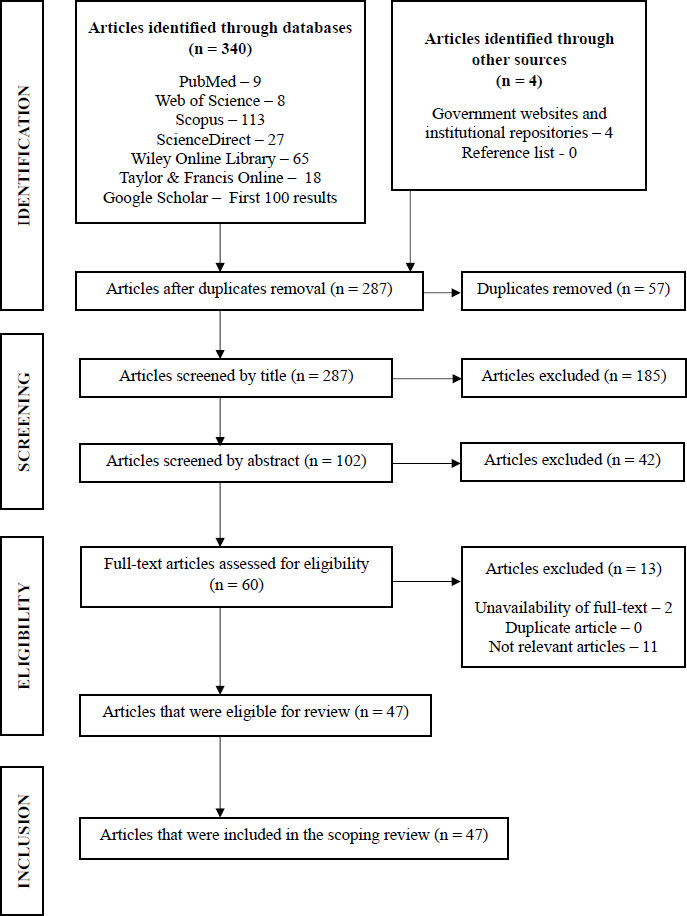
PRISMA flow diagram of the article selection process for the scoping review on biological hazards in agricultural work.
2.4. Data Extraction
In this scoping review, relevant descriptive characteristics of each article were extracted using a structured data-charting form. These characteristics included the first author’s name, year of publication, study title, agricultural sector, study design, population characteristics, hazard type, contributing occupational and environmental determinants, and reported preventive or control measures. To ensure reliability, even with a single-reviewer extraction process, data extraction followed a standardized set of predefined fields that aligned with the research questions. All extracted information was cross-checked by the reviewer to minimize transcription errors and enhance consistency. The structured extraction form facilitated systematic and reproducible interpretation of variables across all studies. Although this scoping review did not conduct a formal critical appraisal in line with PRISMA-ScR, variations in methodological robustness were considered during the synthesis. Factors such as study design, sample size, diagnostic or laboratory methods, and clarity of reporting were considered to contextualize the interpretation of risk factors and preventive strategies. This approach ensured cautious synthesis while maintaining the exploratory purpose of the scoping review.
2.5. Synthesizing Review Results
The characteristics of the included studies, such as target population, year of publication, study region, and publication source, were presented descriptively using summary tables and visual figures. The studies were also categorized based on the type of biological hazard reported, the agricultural setting involved, environmental factors, and the preventive or control measures identified. Each study was summarized by key characteristics, including the first author’s name, year of publication, study design, and key findings on occupational exposure, environmental risk factors, and control measures.
Given the heterogeneity across study designs, populations, agricultural sectors, and biological hazards, a structured narrative synthesis approach was used to avoid over-generalization. Studies were charted and synthesized according to predefined thematic categories, including biological hazard type, agricultural setting, specific occupational or environmental determinants, and control measures. This stratified grouping ensured that comparisons were made only in relevant contexts. Variations in the study design were acknowledged, and the findings were summarized descriptively rather than pooled quantitatively, consistent with the PRISMA-ScR recommendations for managing methodological diversity in scoping reviews.
3. RESULTS
The review findings are presented according to the theoretical framework (Fig. 1), moving from occupational and environmental determinants through exposure pathways and biological hazards to health outcomes and intervention strategies. This systematic organization demonstrates how occupational factors, environmental conditions, and climatic drivers interact to shape biological hazard exposure in Malaysian agricultural workers and how prevention and environmental management strategies can interrupt these causal pathways. The systematic search strategy yielded 344 articles from multiple databases and sources (Fig. 2). After removing 57 duplicates, 287 articles proceeded to the screening phase, of which 185 were excluded upon title review, leaving 102 for abstract screening. After an abstract review, 42 additional articles were excluded, resulting in 60 articles for full-text assessment. During the eligibility assessment, 13 articles were further excluded due to the unavailability of full text (n=2), duplicate articles (n=0), and articles not relevant to the research scope (n=11). Ultimately, 47 articles met the inclusion criteria and were included in the scoping review.
Temporal analysis of the included studies revealed significant variations in the research output over the study period from 2016 to 2025 (Fig. 3). The highest number of studies (n=8) was observed in 2016, representing peak research activity during the examined timeframe. Following this peak, there was a notable decline in study frequency, with publications dropping to 5 studies in 2017. A moderate increase was observed in 2018 (n=6), followed by a steady decline in 2019 (n=4) and 2020 (n=3), which reached one of the lowest points in the dataset. A notable resurgence occurred between 2023 and 2024, with both years maintaining consistent output in five studies, suggesting renewed research interest in the field. However, a sharp decline was evident in 2025 (n=2), which may be attributed to incomplete data collection for that year, as the literature search was conducted up to September 2025, with potentially missing publications from the final quarter of the year.
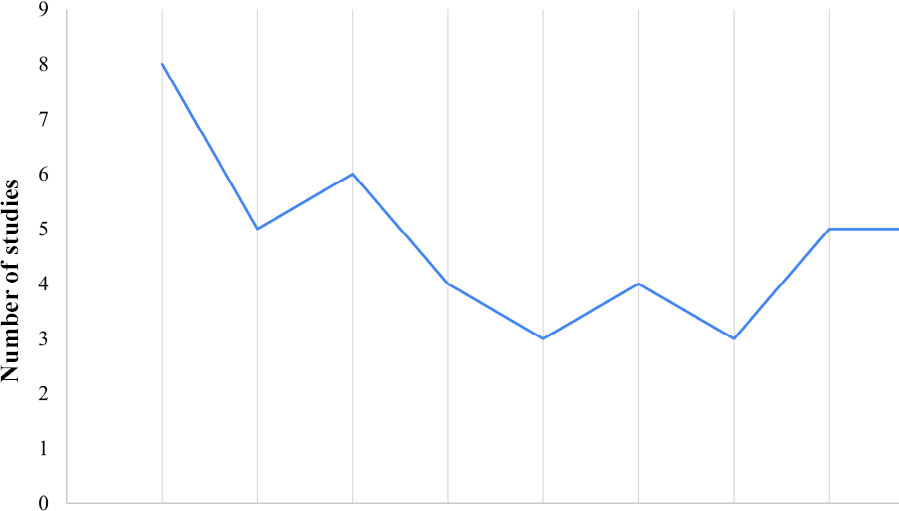
Number of studies on biological hazards in the agricultural sector by year of publication (January 2016– September 2025).
3.1. Types of Biological Hazards
As shown in Fig. (4), Leptospira was the most prevalent pathogen, occupying the largest segment of the chart. This was followed by Plasmodium knowlesi and tick-borne agents, which also represent a significant portion of the biological hazards reported in agricultural studies. Other significant pathogens include Burkholderia pseudomallei, Mycobacterium tuberculosis, and antimicrobial-resistant Escherichia coli. Additionally, it highlights the presence of multiple pathogens and other zoonotic pathogens in farming and agricultural settings. Less common pathogens include Hepatitis E virus, Brucella melitensis, and Streptococcus suis, providing a comprehensive overview of the biological hazards present in the environment, exposing agricultural workers.
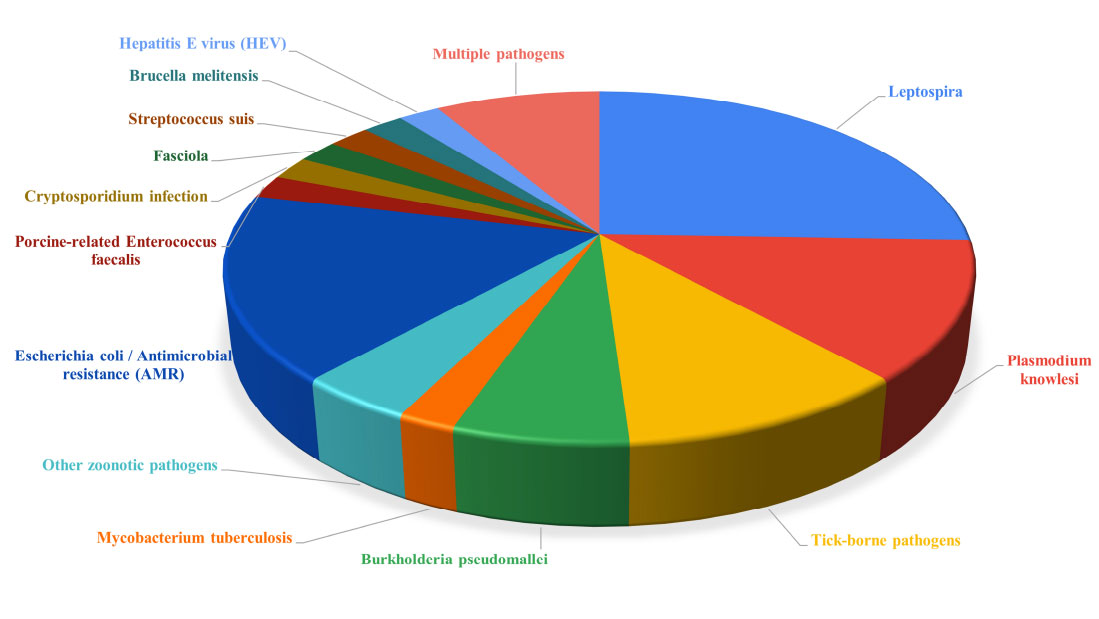
Analysis of the distribution of biological hazards identified in the agricultural sector in Malaysia.
3.2. Occupational and Environmental Risk Factors
The findings in Table 1 reveal a diverse range of occupational and environmental risk factors associated with biological hazards in the agricultural sector of Malaysia. Leptospirosis has emerged as a significant concern, with studies indicating high seroprevalence among oil palm plantation workers and rice farmers. Environmental factors, such as flooding, poor sanitation, and the presence of rodents, contribute to the spread of this disease. Malaria, particularly Plasmodium knowlesi, poses a threat to workers in forest-fringe areas, with deforestation and human encroachment into monkey habitats increasing exposure risks. Tick-borne agents, including Anaplasma and Ehrlichia species, are prevalent among livestock farmers and plantation workers, underscoring the importance of vector control measures. The table also emphasizes the risks of melioidosis in rice farming areas, especially during the rainy season, and the potential for tuberculosis transmission in confined animal farming operations. These findings underscore the complex interplay among occupational practices, environmental conditions, and pathogen exposure in agricultural settings, emphasizing the need for targeted prevention strategies and improved occupational health measures in Malaysia's agricultural industry.
| Biological Hazard | Region (Malaysia) | Type of Agricultural Work | Study Design | Key Findings |
Prevention/ Control Measures |
Environmental Factors | Reference |
|---|---|---|---|---|---|---|---|
| Leptospira | Malaysia | Cash crops plantation, such as palm oil, rubber, or tea | Retrospective study | The study revealed that primarily individuals 19 years old or less and those in agriculture-based or plantation work were exposed to leptospirosis. | • Appropriate intervention and control measures at the source of infection, transmission route, and at the human host level. • Surveillance system to detect outbreaks quickly and initiate containment actions within a short timeframe. |
• Outdoor activities such as farming. • Changes in agricultural land use and deforestation. • Urbanization and poor sanitation in urban slums lead to overcrowding and flooding. |
Tan et al., 2016 |
| Melaka and Johor | Oil palm plantation | Cross-sectional study | The study found a high seroprevalence of leptospiral antibodies at 28.6% among oil palm plantation workers. | • Washing hands with soap after working. | • Presence of rats. • Favorable tropical climate and surface conditions in the plantations. |
Ridzuan, Aziah, and Zahiruddin, 2016a | |
| Melaka and Johor | Oil palm plantation | Cross-sectional study | The study identified a seroprevalence of 28.6% for leptospiral antibodies among oil palm plantation workers, | • Establishing environmental policies. | • Presence of landfills in plantations. • Uncollected solid waste and open dumping areas contribute to the proliferation of rat colonies. • Presence of domestic animals, such as cows, at open dumping sites. |
Ridzuan, Aziah, and Zahiruddin, 2016b | |
| Melaka and Johor | Oil palm plantation | Cross-sectional study | The study found a high seroprevalence of leptospiral antibodies at 28.6% among oil palm plantation workers, with the fruit collector job category showing the highest seroprevalence of 59.2%. | • Not addressed in the paper. | • Favorable tropical climate and moist, warm soil and surface water conditions. • Presence of rats. |
Ridzuan, Aziah, and Zahiruddin, 2016c | |
| Klang Valley | Swine farming | Field-based study | Low prevalence of Leptospira in stray dogs and swine, with specific serovars detected. Leptospirosis impacts livestock health, leading to abortion and stillbirth. | • Vaccination and the exclusion of rodents from swine farms. • Avoid habitats conducive to the survival of spirochete bacteria, such as stagnant water, ponds, marshes, and muddy areas. |
• Urban areas with inadequate sanitation, open sewers, and poor garbage management. • The presence of stagnant water, ponds, marshes, and muddy areas. |
Benacer et al., 2017 | |
| Sarawak | Paddy farming | Field-based study | Samples of captured rats, soil, and water revealed the presence of pathogenic and intermediate Leptospira. | • Usage of protective boots by paddy field farmers. • Prohibition of using or drinking water from ponds in National Service training centres. |
• Contaminated soil and water. | Pui et al., 2017 | |
| Northeastern region | Cattle farming | Cross-sectional study | The study found a high seroprevalence of leptospiral antibodies (72.5%) among cattle farmers. | • Not addressed in the paper. | • Soil type, pH, temperature, and moisture levels. • The presence of garbage dumping areas on farms. • Contact with fresh surface water and soil. |
Daud et al., 2018 | |
| Northeastern state | Horticulture, rubber, paddy, orchards, and other crops. | Cross-sectional study | Living in agricultural areas may expose individuals to contaminated soils. | • Not addressed in the paper. | • Water and soil. • Rainfall and flooding. • Land use. • Occupation. • Proximity to animal hosts. |
Hassan et al., 2018 | |
| Perak | Palm oil and rubber plantations | Retrospective study | Agricultural workers were noted as a significant group among the subjects, comprising 11.7% of the total cases reported. | • Not addressed in the paper. | • Mucosal contact with water or soil contaminated with the urine of rodents or other diseased animals. | Yu et al., 2019 | |
| Johor, Perak, Terengganu, Kelantan, and Selangor | Oil palm plantation, paddy fields | Cross-sectional study | Both landscapes had notable small mammal populations with the presence of Leptospira, but Rattus rattus diardii was especially prominent in palm oil plantations, while Rattus argentiventer dominated paddy fields. | • Raising public awareness. • Improving waste management systems. • Regular health inspections in leptospirosis-affected areas. • Educating tourists and workers in high-risk areas to protect open wounds and practice hygiene. • Controlling small mammal populations in human settlements, especially rodents. |
• Rubbish quantity. • Food waste. • Human exposure. • Faeces presence. |
Rosli et al., 2023 | |
| Negeri Sembilan | Occupations related to farming and fisheries | Cross-sectional study | Agricultural workers are predominantly associated with higher exposure risks to leptospirosis infection due to water-contact activities. | • Strengthening the surveillance system. • Public health governance. • Capturing notifications of communicable diseases. • Employing control measures to minimize outbreak risks. |
• Warm and humid climate. • Heavy rainfall during the monsoon season is associated with floods. |
Zamzuri et al., 2023 | |
| Penang | Paddy farming | Field-based study | Three Leptospira species (L. meyeri, L. wolffii, and L. kmetyi) were found in paddy fields. | • Preventive measures, such as eradicating rodents. • Maintaining cleanliness in the environment. • Using protective clothing and footwear for paddy farmers. |
• Environmental samples can vary widely in their composition • Presence of PCR inhibitors such as humic acid, heavy metals, and organic compounds. |
Ling, Tay, and Philip, 2025 | |
| Plasmodium knowlesi | Sabah | Farming and plantations, such as clearing vegetation and palm oil plantations | Population-based case-control study | The study identified that adult men working in agricultural areas are at the highest risk of acquiring zoonotic knowlesi malaria, with peri-domestic transmission. | • Residual insecticide spraying of the household. • Presence of young, sparse forest and rice paddy around the house. |
• The presence of long grass around the house, which increases proximity to macaques. • Having open eaves or gaps. |
Grigg et al., 2017 |
| Sabah | Farming and plantation | Cross-sectional study | The study reveals that exposure to P. knowlesi is associated with agricultural work and higher levels of forest cover and clearing around houses. | • Not addressed in the paper. | • Proportion of forest cover and cleared areas around households. • Habitat transition areas indicate increased overlap of human, macaque, and mosquito populations. |
Fornace et al., 2018 | |
| Peninsular Malaysia | Forest, plantation, logging, and quarrying | Spatial-temporal study | The study identifies high-risk areas and demographic factors, particularly emphasizing the prevalence among males aged 20-39 who are more exposed to forest environments. | • Distribution of insecticide-treated nets (ITNs). • Larvaciding. • Residual spraying4) The use of rep• ellents targeted at high-risk groups |
• Climatic factors such as rainfall, relative humidity, and temperature. • Presence of water bodies. • Formation of water pockets due to increased rainfall. |
Phang et al., 2020 | |
| Johor | Farming and agricultural work | Retrospective spatial study | Malaria disproportionately affected males between 20 and 39 years old, especially those with occupations related to agriculture and forestry, with a significant rebound in transmission observed after 2016. | • Application of a GIS-based approach. | • Elevation, land cover, and area type. • Deforestation and forest cover. • Variations in socioeconomic, climatic, and geographic factors. |
Pramasivan et al., 2021 | |
| Sarawak | Plantation | Longitudinal retrospective study | The study recorded a total of 8473 indigenous knowlesi malaria cases in Sarawak from 2011 to 2019, with the highest cases found in males, plantation workers, and the Iban community. | • Implementation of prevention programs and treatments targeting risk groups. | • Environmental factors such as higher proportions of forest cover within 1 km of the household and cleared areas within 500 m of the house. | Ooi et al., 2022 | |
| Malaysia | Livestock, timber, and fisheries. | Longitudinal retrospective study | The research highlights a significant link between primary sector specialization, such as agriculture and timber extraction, and increased malaria vulnerabilities in poorer countries. | • Early diagnosis and proper treatment. • Creating sustainable agricultural systems and reconsidering neoliberal development approaches. |
• Land transformation activities such as agriculture and timber harvesting, as well as deforestation. | Austin and Hof, 2023 | |
| Tick-borne agents | Peninsular Malaysia | Cattle, goat, and sheep farming | Cross-sectional study. | The study found no significant difference in tick bite exposure rates between field workers and administrative workers. This implies that all farmworkers, regardless of their direct contact with animals, are at risk of tick bites. | • Regular chemical control using an acaricide. • Washing or changing clothes and taking a shower after exposure • Wear protective clothing and insect repellent. • Farm Management Practices using different grazing systems. |
• High grasses and vegetation. • A hot and humid climate discourages the use of protective clothing among farmworkers. |
Ghane Kisomi et al., 2016 |
| Negeri Sembilan, Pahang, Kedah, Kelantan, Terengganu, and Johore. | Cattle, goat, and sheep farming. | Cross-sectional study. | Animal farm workers exhibited higher seropositivity rates for these rickettsial species compared to urban blood donors. | • Not addressed in the paper. | • Not addressed in the paper. | Kho et al., 2017 | |
| Peninsular Malaysia | Cattle and sheep farming. | Cross-sectional descriptive study. | Ehrlichia spp. Seropositivity was higher than that of Anaplasma spp. among both indigenous groups and animal farm workers. IgG antibodies against E. chaffeensis were detected in 29.9% of farm workers and 34.3% of indigenous participants. | • Not addressed in the paper. | • Rural villages are exposed to various animals such as goats, dogs, cats, and chickens. | Koh et al., 2018 | |
| Peninsular Malaysia | Fieldworkers (Direct contact with animals) or administrative workers. |
Qualitative study | Farmworkers reported experiences of tick bites but did not self-report any tick-borne diseases, believing that ticks are only pathogenic to farm animals and not humans. | • Checking farm animals for ticks. • Informing authorities if tick abundance is found. • Participate in tick control programs and utilize alternative measures such as burning pastures. • Personal preventive measures include wearing protective clothing, changing clothes, showering after work, and performing tick checks. • Use chemical repellents and various methods to remove ticks from their bodies. |
• Deforestation. • Tropical climate of Malaysia. |
Kisomi et al., 2019 | |
| Peninsular Malaysia | Animal handlers, farm workers, and agricultural workers. | Retrospective molecular study | The presence of R. asembonensis in these farm animals raises concerns about zoonotic threats to local populations, particularly for animal handlers and farm workers. | • Compliance with Herd Health Programs on farms. | • Not addressed in the paper. | Low et al., 2022 | |
| Burkholderia pseudomallei | Kedah | Rice farming, as well as small-scale foodstuff and recreational gardening. | Case-control study with spatial analysis. | The study highlights the significant association of melioidosis with males, farming activities, and co-occurring chronic diseases, particularly diabetes. | • Not addressed in the paper. | • Land cover types. • Close proximity to large-scale irrigation-based agriculture and agriculture/mixed agriculture regions. |
Abu Hassan et al., 2019 |
| Malaysia | Rice paddy farming and related agricultural activities. | Retrospective study. | Individuals of Malay ethnicity, particularly those aged 40-49, diabetic, and working in agriculture-related sectors, were identified as having a higher risk of succumbing to the infection. | • Not addressed in the paper. | • Ecological factors. • Socioeconomic background. |
Arushothy et al., 2024 | |
| Sabah | Farming and related activities | Retrospective cohort study. | The findings suggest that certain occupational and living conditions may contribute to the risk of biological hazards related to melioidosis. | • Not addressed in the paper. | • Exposure to soil with specific activities such as quarry work, construction, and farming. | Nyanti et al., 2024 | |
| Mycobacterium tuberculosis | Sabah | Oil palm plantations | Prospective cohort study | The study found that only 5.2% of participants had a history of contact with TB patients. No active TB cases were detected among the 44 symptomatic participants screened. | • Not addressed in the paper. | • Not addressed in the paper. | Sabait et al., 2016 |
| Other zoonotic pathogens | Malaysia | Agricultural work studied includes crop production, livestock farming, and the use of vehicles for agricultural tasks. | Not addressed in the paper. | Zoonotic diseases are a significant biological hazard in the agricultural sector. | • Providing first aid kits with essential items and clear instructions on their use. • Ensuring clean water is available for washing. • Informing the work location and duration. • Keeping a mobile phone for emergencies. • Regular medical check-ups are recommended for those who frequently use pesticides. |
• Not addressed in the paper. | Department of Occupational Safety and Health, 2002 |
| Selangor | Ruminant farming, specifically involving both small ruminants and dairy and beef production. | Quantitative cross-sectional study | Farmers in Selangor have low awareness of zoonotic diseases, with only 42% having heard the term before the study, and only about half demonstrating satisfactory attitudes towards the subject. | • Washing their hands with soap after handling livestock and wearing gumboots • Use of gloves and masks. • Hand washing, proper cooking of meat, and keeping animal health records. |
• Reliance on livestock • Poor biosecurity practices. • Frequent interactions with wildlife and lifestyles involving hunting and consuming bushmeat. • Inadequate health infrastructure. • Inefficient collaboration among veterinarians, health practitioners, farmers, and public health bodies. |
Sadiq et al., 2021 | |
| Escherichia coli / Antimicrobial resistance (AMR) | Pahang, Selangor, Terengganu, Negeri Sembilan, Melaka, and Perak. | Abattoir | Cross-sectional study. | During the study, 9.7% of samples had E. coli. Some slaughterhouses had very high rates, up to 100%, which shows there might be contamination during processing. | • Hand washing. | • Use of contaminated water for washing carcasses, air particles in dressing, cooling, and cutting rooms. • Hot and humid tropical temperature. • Mishandling of food by workers. • Close contact with animals during slaughtering. |
Shamsul et al., 2016 |
| Northern and central regions of Peninsular Malaysia. | Swine farming | Cross-sectional descriptive study | The study revealed a high occurrence of Multidrug-Resistant (MDR) Enterococcus faecalis and Enterococcus faecium in swine farms. | • Increasing public awareness and education on the appropriate use of antibiotics. • Expediting surveillance and research. • Improving infection prevention and control measures. • Use of antibiotics complies with the Feed Act 2009, which serves as a regulatory measure. |
• Different farm management practices, including disinfection and antibiotic exposure. | Tan et al., 2018 | |
| Selangor | Poultry farming | Laboratory-based descriptive study | The research highlights a significant prevalence of MDR E. coli in poultry farms in Malaysia, with 73 out of 88 samples (83.0%) identified as E. coli, and 11 (15.1%) of these being MDR strains. | • Not addressed in the paper. | • Not addressed in the paper. | Suryadevara et al., 2020 | |
| Kelantan, Terengganu, and Pahang | Poultry farming | Cross-sectional study. | The study found that many E. coli bacteria are resistant to antibiotics, especially tetracycline. Small poultry farms are more likely to have this resistant E. coli than medium or large farms. | • Public health interventions tailored to local poultry farm practices | • Source of samples, particularly sewage. • Farm management practices and environmental conditions, such as the presence of pathogens in water sources. |
Elmi et al., 2021 | |
| - | - | - | - | - | - | - | |
| Kelantan | Broiler chicken farming | Laboratory-based descriptive study | The study found many E. coli strains in broiler chickens and farms that resist colistin. It discovered various mcr genes, especially mcr-1, which was the most common. The research also showed that all E. coli with mcr genes were resistant to many drugs. | • Stricter regulation of antibiotic use in farm animals. • Monitoring and controlling the use of colistin in food animals. |
• Shedding AMR bacteria and determinants from feces into the farm environment. • Presence of resistant bacteria in farm-related environments (litter, feed, and drinking water). |
Lemlem et al., 2023a | |
| Kelantan | Broiler chicken farming | Laboratory-based descriptive study | High prevalence of ESBL-EC in broiler chickens, with 30% of isolates confirmed as E. coli and 84.5% positive for at least one ESBL gene. | • Not addressed in the paper. | • Excessive use of antibiotics in poultry production. | Lemlem et al., 2023b | |
| Kelantan | Poultry farming | Laboratory-based descriptive study | The predominant ESBL gene detected was bla_TEM, and all ESBL-EC were multidrug-resistant. | • Implementation of strict regulations on antibiotic use in broiler chicken production. | • Shedding of AMR bacteria and determinants from feces into the farm environment. • Contaminated farm environments with feces, litter, drinking water, and chicken food. |
Lemlem et al., 2024 | |
| Negeri Sembilan, Selangor, Perak, Penang, Terengganu, Johor, and Pahang | Shrimp aquaculture | Quantitative cross-sectional study | A significant majority of shrimp aquaculture farmers in Malaysia had inadequate knowledge of antimicrobial use and AMR, with 88.1% demonstrating insufficient knowledge. | • The MyGAP certification programme mandates farm owners to participate in the National Aquaculture Residue Monitoring Programme (ARMP) to ensure shrimp safety and prevent harmful contaminants. | • Not addressed in the paper. | Devadas et al., 2025 | |
| Porcine-related Enterococcus faecalis | Peninsular Malaysia | Swine farming | Cross-sectional study. | Farmers exhibited a gut microbial community more similar to swine. The presence of porcine-related Enterococcus faecalis in humans and human-related strains in swine was detected, emphasizing the potential for zoonotic pathogen transmission. |
• Not addressed in the paper. | • Direct contact between humans and livestock and the use of antibiotics in farming. | Tan et al., 2020 |
| Cryptosporidium infection | Peninsular Malaysia | Beef and dairy cattle farming | Cross-sectional study. | Cattle reared extensively, and those located closest to human settlements were at the highest risk of infection. | • Veterinary and human health personnel are well acquainted with zoonotic enteric pathogens. • Improved farm management practices • Adequate hygienic practices, veterinary care, nutritional management, and biosecurity measures. |
• Water and environmental contamination. • Geographical location, particularly farms situated close to human settlements (within 200 meters are at a higher risk of infection. • Grazing in infected areas. • Introduction of new animals. |
Abdullah et al., 2019 |
| Fasciola | Taiping, Perak | Mixed farming practices, including the rearing of cattle, buffaloes, sheep, and goats within the same farm compound. | Cross-sectional study. | The study identified a moderate prevalence of bovine fasciolosis in Taiping, Malaysia, at 36.9%, indicating significant exposure risks for both humans and livestock. Over 50% of farmers lacked awareness about fasciolosis. |
• Continuous surveillance in farms. | • Temperature and high humidity. • High rainfall status in Taiping enhances snail abundance, increasing the likelihood of fasciolosis outbreaks. |
Che-Kamaruddin et al., 2024 |
| Streptococcus suis | Peninsular Malaysia | Pig farming | Cross-sectional study. | The study represents the first detection of S. suis in swine personnel in selected states of Peninsular Malaysia. Despite the occupational exposure risk, none of the oral swabs tested positive for S. suis, indicating effective hygiene practices among swine-related workers. | • Education on the importance of wearing proper protective gear when working with pigs. • Proper hand sanitation after handling pigs or pork. • Avoiding consumption of raw or undercooked pork. • Seeking medical treatment for injuries during handling. |
• Not addressed in the paper. | Lee et al., 2024 |
| Brucella melitensis | Selangor, Negeri Sembilan, and Pahang. | Animal farming and veterinary. | Cross-sectional study. | The study found a seroprevalence of brucellosis at 1.35% among farmers and veterinary technical staff. | • Not addressed in the paper. | • Living near goat farms. • Transportation of unpasteurized milk from peri-urban and rural areas to urban areas. |
Bamaiyi et al., 2017 |
| Hepatitis E virus (HEV) | Peninsular Malaysia | Cattle, sheep, and goat farming. | Retrospective cross-sectional study. | The study found a zero seroprevalence of HEV infection among ruminant farmworkers in Malaysia. | • Training on personal hygiene and infection prevention. • Use of appropriate PPE. • Adherence to proper farm hygiene practices. • Changing clothes or showering after contact with farm animals. |
• Animal manure contamination in drinking water. • Pastures contaminated with pig manure or animal waste. |
Wong et al., 2022 |
| Multiple pathogens | Peninsular Malaysia. | Cattle and goat farming. | Cross-sectional with seroprevalence study. | The first data showed that 36.5% of the tested blood samples contained antibodies to TBEV. After removing any cross-reactions, the study found a low presence of TBEV (4.2%) among Malaysian farm workers. There was no sign of Crimean-Congo hemorrhagic Fever Virus (CCHFV) spreading. | • Tick management. • Keeping pastures host-free for extended periods can starve ticks and disrupt their life cycle. |
Climate change and adverse environmental conditions, including temperature and humidity. | Mohd Shukri et al., 2015 |
| Terengganu | Livestock industry and the handling of food products. | Cross-sectional study. | Infectious diseases cause 23.0% of health problems among slaughterhouse workers. Only 1.0% of workers in the study were thought to have diseases like anthrax, brucellosis, leptospirosis, toxoplasmosis, Rift Valley fever, and rabies. However, earlier studies showed a higher rate of 19.1% among these workers. | • Robust environmental hygiene. • Consistent use of PPE. • Comprehensive worker education and training. • Strict adherence to hygiene and waste disposal protocols. • Regular medical surveillance and risk management. |
• Exposure to dust and aerosols. • Presence of various biological agents, such as bacteria and molds. • General contaminated air. • Direct contact with animals. |
Abdullahi et al., 2016 | |
| Sarawak | Pig farming, abattoirs, and animal markets. | Cross-sectional observational study | The study identified the presence of various pathogens, including porcine circovirus 2 (PCV2), in bioaerosols and human nasal samples collected from pig farms, abattoirs, and animal markets in Sarawak. | • PPE, such as wearing safety glasses. • Flu vaccinations. • Showering at work. • Using disposable boots. • Improved training for both employers and workers regarding biosecurity practices. |
• Aerosolization rates, air velocities during sampling, and overall environmental conditions. • Presence of rodents on-site. |
Borkenhagen et al., 2018 | |
| Negeri Sembilan, Melaka, and Johor | Pig farming | Qualitative descriptive study. | Nipah virus is a significant biological hazard affecting both pigs and humans. Other diseases like salmonellosis, colibacillosis, PRRS, Classical Swine Fever, and African Swine Fever are noted as ongoing challenges for the swine industry, primarily impacting pigs. |
• Use of PPE, cleaning, and disinfection • Movement controls • Isolation practices, vaccination, and environmental control practices. |
Not addressed in the paper. | Suit-B et al., 2021 |
3.3. Prevention and Control Strategies
The findings on prevention and control strategies for biological hazards in Malaysia's agricultural sector revealed a multifaceted approach (Table 1). Personal Protective Equipment (PPE) usage is emphasized in various agricultural activities to reduce direct contact with pathogens. This includes consistent use of appropriate gloves, boots, and protective clothing. Vector control is implemented through integrated pest management strategies that incorporate both chemical and biological control methods to reduce vector populations, particularly for mosquito-borne and tick-borne diseases. Environmental management strategies focus on proper waste management, improved drainage systems, and rodent control measures to minimize disease reservoirs and transmission routes.
Occupational health programs play a crucial role, featuring regular health screenings, vaccinations, and education programs for agricultural workers to enhance awareness and enable the early detection of diseases. Improved sanitation practices in agricultural settings, including access to clean water and proper hygiene facilities, have also been implemented. Zoonotic disease control measures include enhanced surveillance and control of livestock with regular health checks and vaccination programs to prevent disease transmission to humans. Deforestation control policies and practices are put in place to limit deforestation and manage human-wildlife interfaces, particularly in areas prone to zoonotic disease spillover.
Climate-adaptive strategies involve the development of farming practices that account for climate change impacts, such as flood-resistant crop varieties and improved water-management systems. The One Health approach integrates human, animal, and environmental health strategies to address the interconnected nature of biological hazards in agriculture. In addition, technological innovations were utilized, including remote sensing, GIS, and other technologies for early warning systems and risk mapping of disease outbreaks. These strategies collectively highlight a comprehensive approach to mitigating biological hazards, emphasizing the importance of integrating occupational health, environmental management, and technological advancements in the agricultural sector.
4. DISCUSSION
Occupational Safety and Health (OSH) research in Malaysia has primarily focused on chemical and physical hazards, while biological hazards remain comparatively underrepresented in both surveillance and research (Dutkiewicz et al., 2000; Department of Occupational Safety and Health, 2002). The findings of this scoping review confirm that infectious agents such as Leptospira spp., Plasmodium knowlesi, Burkholderia pseudomallei, and various tick-borne agents continue to pose significant health risks to agricultural workers. These findings are consistent with the distribution of biological hazards highlighted in the review, where Leptospira spp. and Plasmodium knowlesi emerged as the most commonly reported agents across various agricultural settings. Additionally, there were occasional reports of Hepatitis E virus, Streptococcus suis, and Brucella melitensis. The ongoing presence and variety of these diseases, despite existing OSH guidelines, indicate persistent occupational and environmental exposures that necessitate more thorough biohazard monitoring systems in Malaysia. These findings also mirror recent regional findings showing that diversified rice farming systems in Southeast Asia host overlapping wildlife, livestock, vectors, and human interfaces that amplify the spillover risk (Sievers et al., 2024).
Furthermore, the review consistently found high levels of antimicrobial resistance in agricultural isolates, especially Multidrug-Resistant (MDR) Escherichia coli strains observed in poultry and swine farming settings. Several studies included in this review reported resistance to various antibiotic classes, with the prevalence of MDR often surpassing established thresholds in farm samples and environmental isolates. These results emphasize the significant impact of AMR in livestock-related environmental settings. Building on these findings, the review also indicates that AMR surveillance is fragmented and lacks coordination across the livestock and poultry sectors (Tan et al., 2018; Lemlem et al., 2023a; 2023b; 2024). The widespread presence of MDR strains raises concerns about occupational exposure routes and the potential for transmission to humans, highlighting the urgent need for a One Health approach that integrates human, animal, and environmental health sectors. Enhancing collaboration between the Ministry of Health, Department of Veterinary Services, and Department of Occupational Safety and Health is crucial for developing an integrated AMR surveillance and antibiotic stewardship system. Recent One Health analyses have highlighted that intensified agricultural production and environmental disruptions can facilitate the circulation of AMR organisms, reinforcing the need for cross-sectoral monitoring (Zhang et al., 2024).
Environmental and climatic conditions are major drivers of pathogen transmission. These findings indicate that flooding, monsoon-related rainfall, and extended periods of soil saturation are consistently linked to a higher prevalence of Leptospira spp. and Burkholderia pseudomallei in agricultural environments (Tan et al., 2016; Daud et al., 2018; Nyanti et al., 2024). Similarly, changes in land use, such as forest fragmentation, plantation expansion, and deforestation, are closely associated with increased exposure to Plasmodium knowlesi among workers in plantations and paddy fields (Fornace et al., 2018; Pramasivan et al., 2021; Ooi et al., 2022). These observations correspond with the environmental risk factors outlined in Table 1, which underscore the impact of waterlogged fields, rodent activity, livestock interactions, and vector habitats on disease incidence. These ecological trends highlight the necessity of environmental monitoring systems that incorporate hydrological, meteorological, and vector data to predict outbreaks and support climate-adaptive occupational safety and health strategies. These findings are consistent with global evidence showing that rapid land conversion, agricultural intensification, and climate-driven ecological disruption can alter vector behavior and increase wildlife–livestock–human contact, thereby elevating spillover risk (Zhang et al., 2024).
Knowledge and behavioral gaps among agricultural workers have also emerged as significant risk determinants. Studies have consistently reported limited understanding of zoonotic transmission routes, poor PPE adherence, and misconceptions about disease susceptibility (Ghane Kisomi et al., 2016; Sadiq et al., 2021). This is similar to observations in the paddy farming industry, where knowledge significantly impacts malaria prevention strategies (Naserrudin et al., 2023; Sabri et al., 2024). Insufficient health literacy among agricultural workers hampers the adoption of fundamental preventive practices, such as maintaining hand hygiene, ensuring sanitation, or wearing protective boots and gloves. These behavioral limitations underscore the necessity of enhancing OSH training, integrating health literacy into agricultural extension initiatives, and offering continuous educational support to workers. These behavioral challenges align with recent One Health surveillance insights, which emphasize that risk perception and knowledge gaps at the community level are major barriers to effective prevention of zoonotic diseases (Mariappan et al., 2022).
In the studies reviewed, several recurring indicators pointed to deficiencies in surveillance and long-term monitoring. Many studies have employed cross-sectional designs without longitudinal follow-up, underscoring the lack of ongoing disease monitoring in agricultural environments. Furthermore, environmental surveillance for pathogens such as Leptospira spp. and Burkholderia pseudomallei, which are found in soil and water, was mostly sporadic, with no regular collection of environmental microbial data. Some studies have also revealed inconsistent or incomplete reporting of incidence and prevalence, especially concerning zoonotic infections and antimicrobial-resistant pathogens, which hampers the ability to identify trends over time. Fragmentation was also apparent owing to the limited integration of human, animal, and environmental health data, which are crucial for effective One Health surveillance. These patterns collectively suggest a lack of systematic, coordinated, and long-term biohazard monitoring in Malaysia's agricultural sector. Similar surveillance gaps have been reported in Malaysia’s broader occupational health landscape, where biological diseases and emerging infections remain underreported because of weak detection and reporting mechanisms (Awaluddin et al., 2023).
Despite the availability of recommended prevention and control strategies, their effectiveness in real-world agricultural settings is often hindered by the challenges of practical implementation. The promotion of PPE is widespread; however, its use is limited in Malaysia because of discomfort in the hot and humid climate, decreased dexterity during manual labor, and the perception that PPE hinders productivity (Lim et al., 2023). Financial limitations also play a role, as smallholder farmers may prioritize operational expenses over the purchase of protective gear (Kephe et al., 2022). Furthermore, weak enforcement mechanisms and the absence of structured safety supervision in informal or family-run farms further reduce compliance (Bunei, Barclay, and Kotey, 2023). Environmental and vector control measures, such as maintaining drainage, proper waste management, and managing larval habitats, require ongoing labor, resources, and technical support, which may not always be accessible (Tantum et al., 2024). These issues underscore the need for prevention strategies to be paired with practical, context-specific interventions, behavioral support, and stronger institutional enforcement to effectively reduce the risks. Additionally, recent studies suggest that agricultural mechanization, land-use transitions, and environmental regulatory pressures may unintentionally alter pathogen habitats and occupational exposure pathways, reinforcing the importance of policy-aware OSH strategies (Ma et al., 2025; Wen et al., 2025).
Existing policy or agricultural safety guidelines (Department of Occupational Safety and Health, 2002) provide a foundation but lack updates that reflect the evolving challenges posed by climate change and intensifying agricultural activities. Effective interventions require regular policy revisions, improved implementation of vector control measures, and the incorporation of environmental microbiology into OSH practices. The inclusion of climate-adaptive farming strategies, such as improved drainage systems, flood-resistant crops, and sustainable land management, can reduce the environmental drivers of disease emergence (Rahman et al., 2025). Furthermore, technological innovations, including GIS-based risk mapping and remote sensing, could enhance the early detection and response to outbreaks, particularly for vector-borne diseases such as malaria and leptospirosis (Phang et al., 2020; Pramasivan et al., 2021). Global frameworks now emphasize that strengthening OSH in agricultural settings requires coordinated governance across the public health, environmental, and agricultural sectors, consistent with modern One Health recommendations (Turner et al., 2025).
Finally, this review underscores that research on biological hazards in Malaysia remains limited and is frequently confined to cross-sectional studies, lacking longitudinal follow-up. There is a scarcity of studies examining the long-term health impacts, co-infections, or socio-behavioral aspects of disease prevention. Integrating longitudinal and mixed-method approaches would allow for a more comprehensive understanding of occupational exposure pathways and cumulative risk. Through improved surveillance, health education, and intersectoral collaboration, Malaysia can enhance its preparedness for biological hazards in agriculture and safeguard both worker and ecosystem health in the context of a changing climate. Future research should also examine how climate change, agricultural intensification, and ecological–economic transformations jointly shape emerging disease landscapes, as suggested by recent ecological–economic studies (Turner et al., 2025).
CONCLUSION
Biological hazards pose considerable health risks to workers and the environment in Malaysia's agriculture sector. This review underscores the prevalence of pathogens such as Leptospira spp., Plasmodium knowlesi, and tick-borne agents among agricultural workers. Occupational and environmental factors, including climate, land use changes, and inadequate sanitation, contribute to the exposure of workers to these hazards. Knowledge gaps exist in the understanding of emerging biological hazards, their interactions with climate change, and the effectiveness of preventive measures. Preventive measures such as enhanced monitoring, risk mapping, and updated policies are crucial for addressing these threats. The health implications may be underestimated, and vaccination programs require further evaluation for their effectiveness in combating diseases from exposure to biological hazards. However, this review has several limitations, as it only focused on studies published between 2016 and September 2025, which may omit earlier relevant work. Moreover, the use of a single reviewer for screening and data extraction may have introduced selection or interpretation bias. Variations in study design and the lack of longitudinal data may also limit the ability to compare findings across studies or understand long-term health effects. Future research should integrate environmental microbiology with occupational health monitoring. It should also prioritize longitudinal studies, strengthen One Health surveillance across human–animal–environment interfaces, and evaluate the practical effectiveness of preventive interventions, such as PPE use, vaccination feasibility, and worker training. Addressing these gaps is vital to enhancing the safety of Malaysia's agricultural industry, following a health approach to protect human and environmental health.
CONTRIBUTIONS
The author solely contributed to the conception and design of the scoping review, literature searching and study selection, data charting, analysis and interpretation of findings, and manuscript drafting. The author reviewed and approved the final version of the manuscript.
AVAILABILITY OF DATA AND MATERIALS
All the data and supportive information are provided within the article.
ACKNOWLEDGEMENTS
The authors would like to thank Universiti Utara Malaysia, Kuala Lumpur, for providing support for this study.

